Mauritius Requirements Visa Rules and Tour Costs
Plan your Mauritius trip with clear entry rules and real tour costs. Check the visa, passport and health requirements, budget for a submarine dive to the Star Hope wreck, and book your dive with confidence.
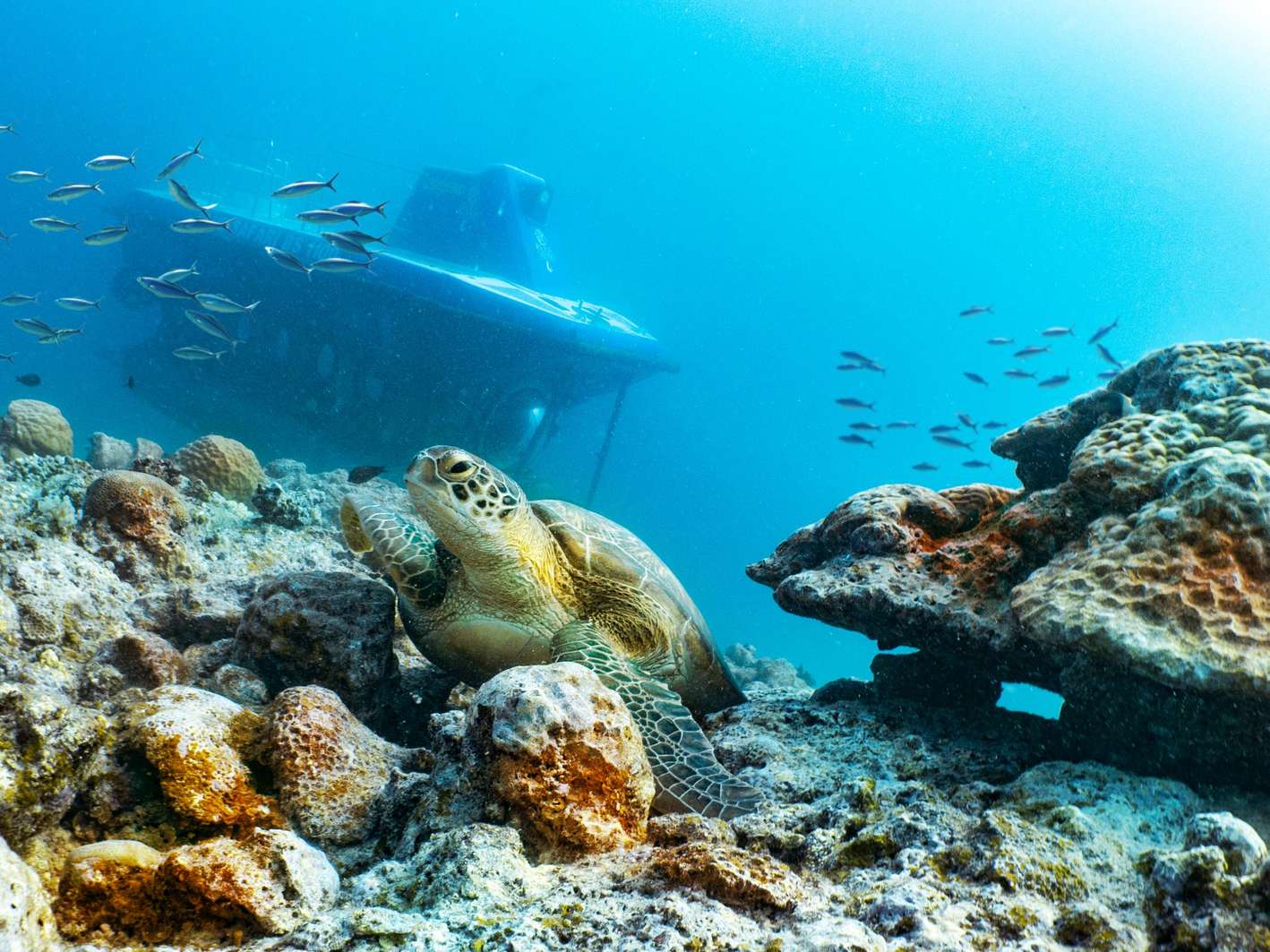
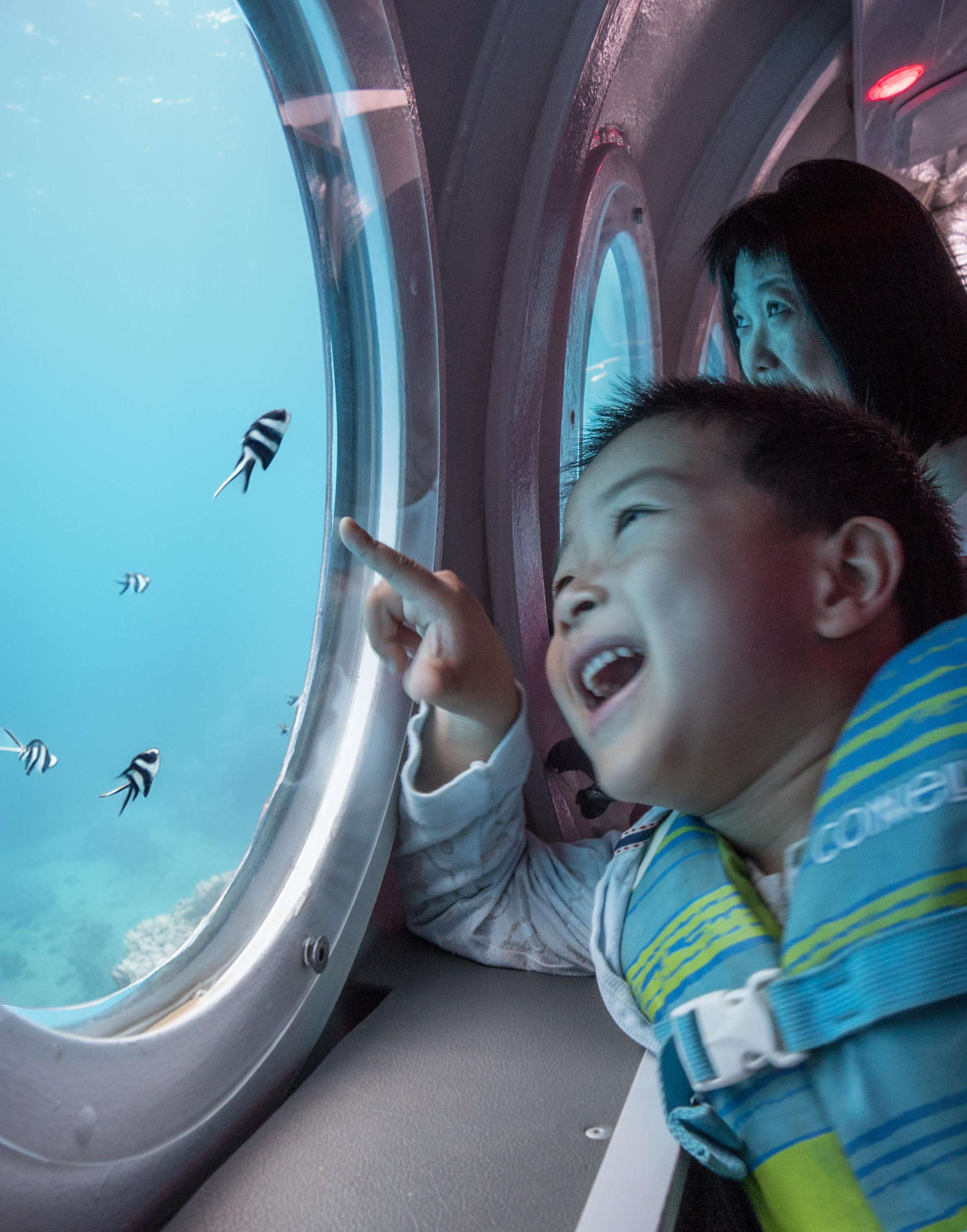
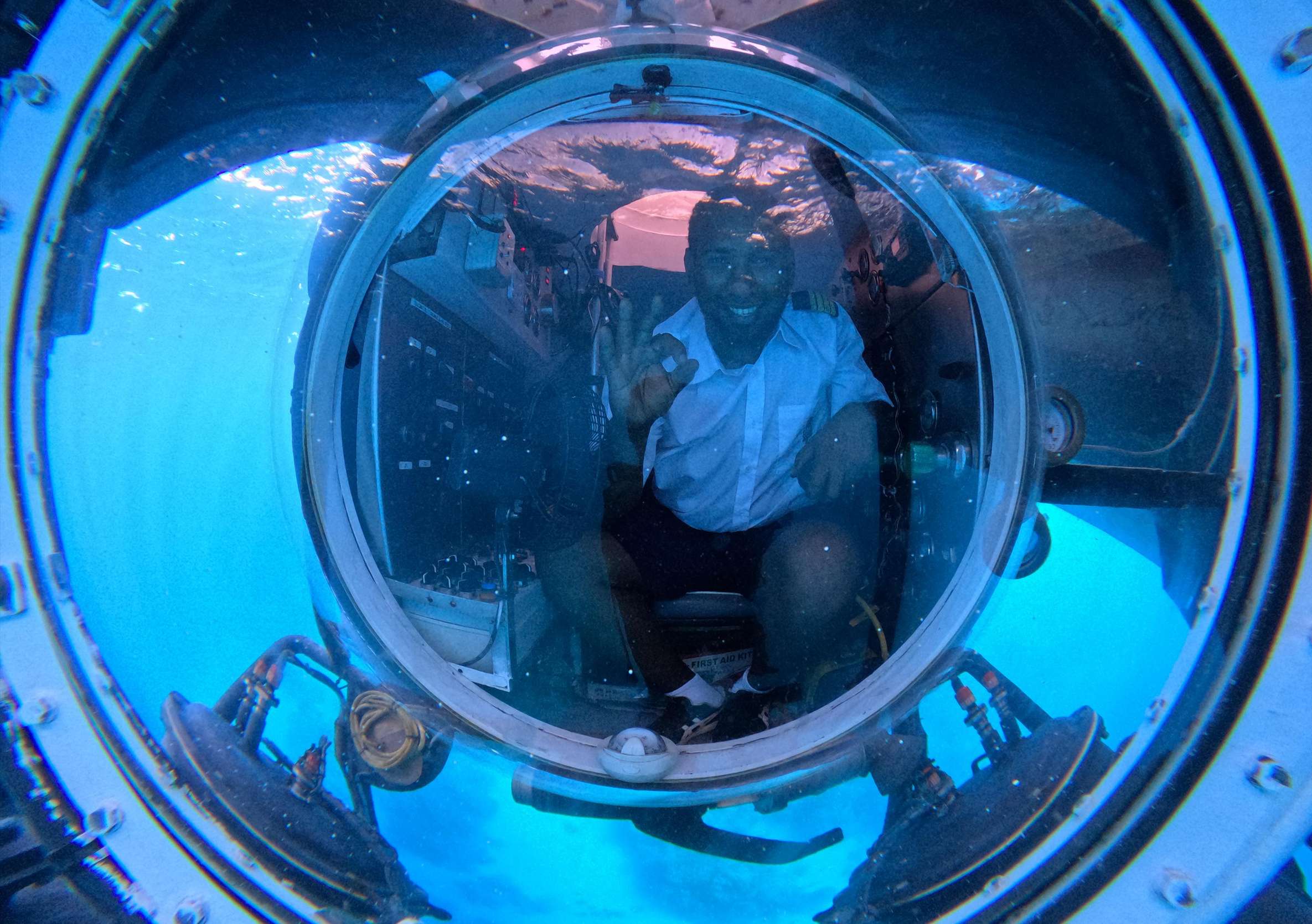
"Warm welcome with iced tea and briefing, then a scenic boat ride to the submarine. Sat behind pilot Samuel, watched him steer and we spotted turtles. Very professionally run."
Mauritius travel requirements, from visas to tour budgets
The paperwork that decides whether you board is simpler than most people fear: a passport, a printed form and a return ticket. What deserves real planning time is the budget, because the island's best excursions are priced like signature experiences.
- 1
US, UK and Canadian passports enter visa-free for stays of up to 60 days; just say you are on vacation at border control.
- 2
Border officials want a printed copy of the All-in-One form; a phone screen alone can stall your arrival.
- 3
Controlled medicines such as opiates and benzodiazepines need Health Ministry authorization before you fly; routine prescriptions like HRT do not.
- 4
Earthquake risk is negligible and cyclones run from 1 November to 15 May; a Cyclone Warning Class II suspends all boat trips.
- 5
A two-hour submarine dive costs about the same as a nice dinner out, while a day on a catamaran or a helicopter flight each cost a few times more.
Check your passport's expiry date before booking flights and keep your return ticket confirmation handy at airport check-in. Fill out the Mauritius All in One travel form online and print a paper copy, since border officials ask for a hard copy on arrival.
Do US citizens need a visa for Mauritius?
The check-in agent at the counter asks for three things: a passport, a ticket home and the address of where you are staying. That is the whole exchange.
Citizens of the United States, the United Kingdom and Canada need no tourist visa in advance, and at border control a simple statement that you are visiting on vacation gets your entry stamp.
Two details carry the weight. Your passport must stay valid for at least six months beyond your stay, and you must hold a return or onward ticket. Immigration checks both, and missing either one ends the trip at the departure gate.
Visa-exempt visitors may stay up to 60 days as tourists, which is generous for an island you can cross in a morning.
One habit seasoned travelers keep: they confirm entry rules on the official Passport and Immigration Office website, because nationality rules differ and this is the one document error that can stop the visit before it starts.
The arrival form you must print before you fly
The queue at Sir Seewoosagur Ramgoolam International Airport divides neatly into two groups. Those holding a printed sheet move through in minutes. Those showing a phone screen wait longer, because border officials specifically require a hard copy of the Mauritius All in One form and will not treat the screen as sufficient.
The All-in-One form must be printed Border officials demand a physical copy on arrival; a phone alone causes processing delays
The form is filled in online before you travel, and people who have done it recommend submitting it at least 72 hours before departure. That leaves time to generate the QR-coded PDF and actually print it, along with your accommodation confirmation and return ticket.
An active international credit card satisfies the proof-of-funds check, so there is no bank statement ritual to prepare. The whole entry file fits in a single folder of paper, and the travelers who carry one are the ones strolling out to the taxi rank while the rest wait at the counter.
Which medications and items get held at customs
Most medicine cabinets clear Mauritian customs without a second glance. A routine prescription such as Hormone Replacement Therapy enters freely; you only need the original packaging and a copy of the prescription from your doctor.
Controlled drugs are the exception: anything containing opiates or benzodiazepines requires advance authorization from the Health Ministry, arranged before you fly.
Only controlled opiates and benzodiazepines require advance authorization
Controlled drugs need Health Ministry authorization before you fly
Everyday items like cigarette papers and e-cigarettes are banned too
The bans that surprise people are the everyday ones. Cigarette papers and rolling machines are illegal to import or possess, e-cigarettes cannot be brought in, and underwater fishing guns and sugarcane plants are prohibited outright.
Walking the green channel with a restricted item in your bag is itself an offence that can bring fines or seizure. Declare anything you are unsure about; the officer would rather hear it from you.
Cyclone season, earthquakes and when boat trips stop running
The geology settles the scariest question first. Mauritius sits on stable oceanic crust far from any tectonic boundary; the mantle hotspot that built the island has long since shifted to Réunion. There is less than a 2% chance of damaging earthquake shaking in fifty years, and no volcanic eruptions in recorded history.
Cyclones are the risk that shapes a plan. The season runs from 1 November to 15 May, and a Cyclone Warning Class II automatically postpones coastal boat excursions, with everything suspended under Class III. A Heavy Swell Warning, raised when open-sea swells reach about four metres, does the same.
December: calm sea on 87% of days. Coastal waters reach their calmest state of the year with waves averaging 1.1 metres, alongside rising heat and occasional afternoon rain.
Tap a month to read it.
August: waves up to 1.6 m on an average day. Breezy winter conditions produce the year's highest average swells at 1.6 metres, despite predominantly dry and sunny skies.
Tap a month to read it.
May: 2.6 windy days. Drier winter weather brings 20 dry days, though strengthening trade winds reduce calm sea days to 56%.
Tap a month to read it.
July: 23.6 dry days. The coolest and driest month brings over 23 dry days alongside moderate trade winds and 65% calm sea conditions.
Tap a month to read it.
Between those alerts, the sea is kinder than the season suggests. Calm days under 1.5-metre waves prevail on most days from November to April, and December is the calmest month of all.
The winter months of May to August see the most wind and the roughest water. If a fixed dive day matters, aim for early in your stay and early in the morning.
What is actually dangerous in the water
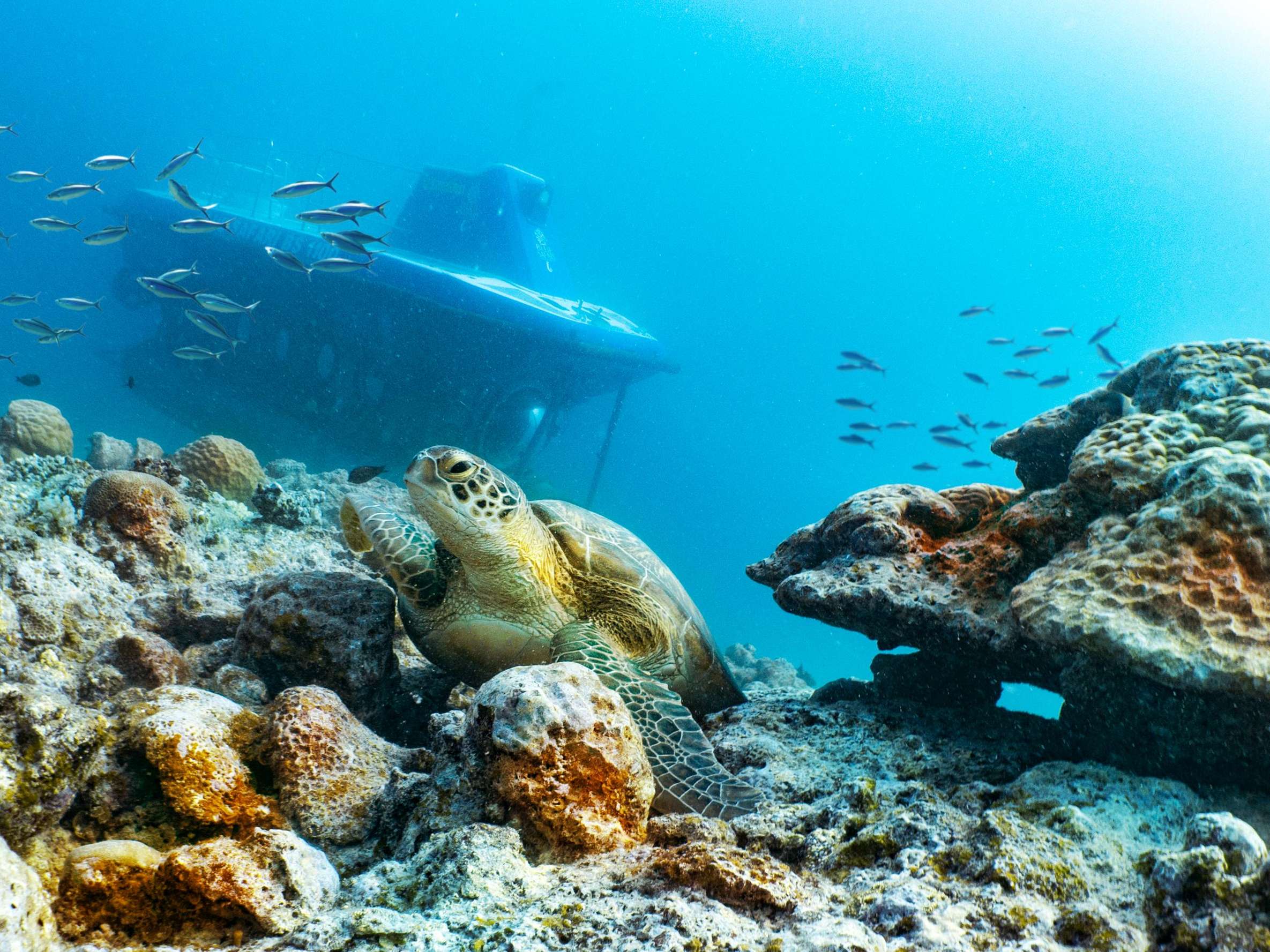
The lagoons themselves are gentle. Most resort beaches sit inside a barrier reef where the water stays calm, and the east and west coasts swim easily. The sea creatures that cause real trouble hide underfoot.
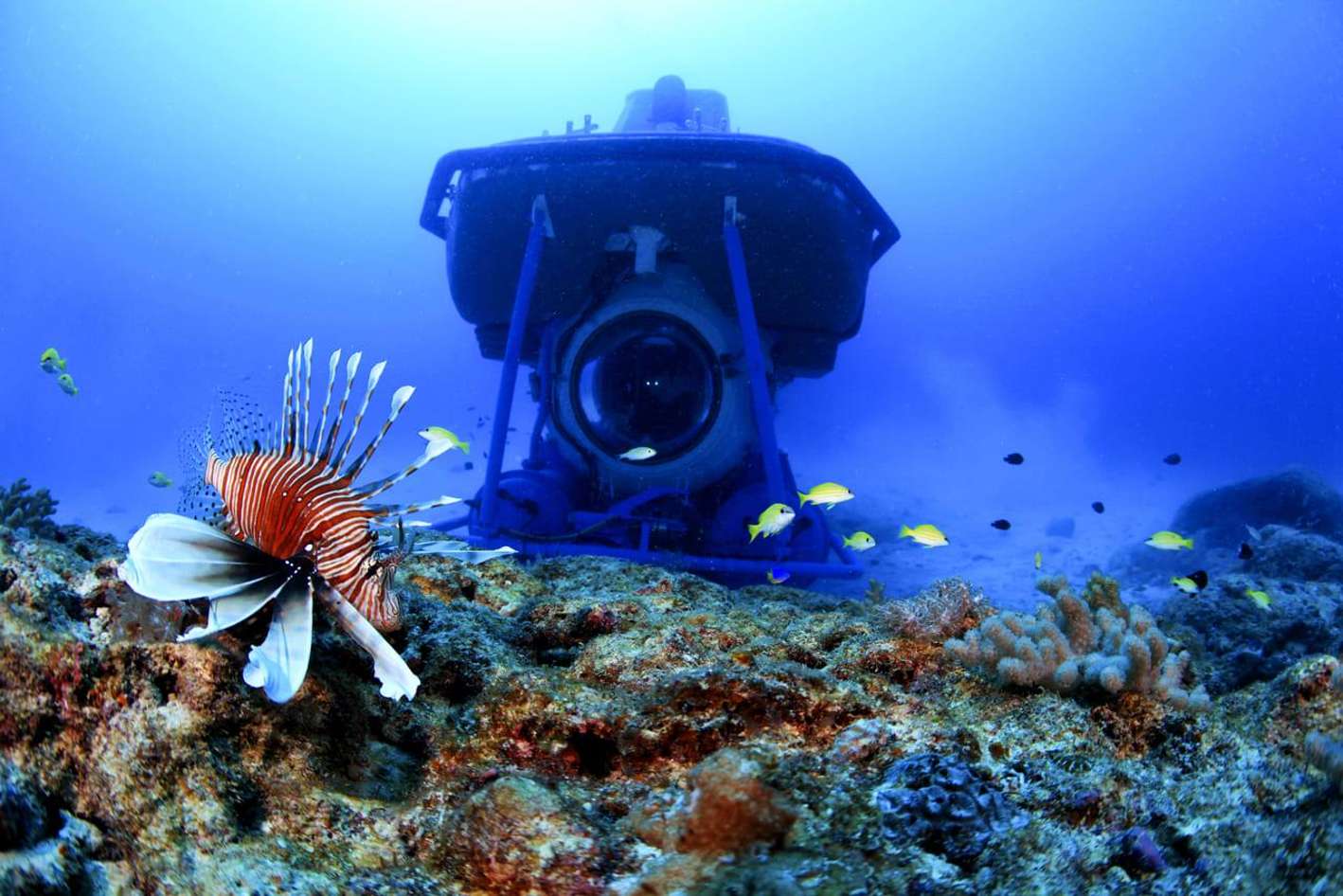
Stonefish lead that list. They lie camouflaged on sandy bottoms looking exactly like rocks, with venomous dorsal spines, and they sting whether alive or dead. The humpbacked scorpionfish carries twelve of the same spines on reef flats, and lionfish hold shallow waters near the reefs.
Long-spined sea urchins brittle enough to snap off in skin wait in reef-flat pools, and the flower urchin delivers one of the most painful stings of all.
On the beach, the flags do the thinking: yellow means caution, red means no swimming at all. One place deserves genuine respect. The water over the underwater waterfall channel off Le Morne produces fatal rip currents, so look at that illusion from a boat or the air and keep your feet on the sand.
Local laws and temple etiquette to respect
A temple visit is the part of the day most guidebooks leave blank. Shoes come off at the door of a Hindu temple, along with anything leather, and shoulders and knees stay covered at every place of worship.
Photography needs asking first, and people at prayer are never photographed without explicit permission. Phones go on silent, and food, drink and cigarettes stay outside.
The laws tourists actually trip over are smaller than the penalties suggest. Smoking and vaping are banned in all indoor public spaces, public displays of affection such as holding hands are not socially accepted, and nudism is forbidden. Drug offences carry heavy fines and lengthy prison sentences.
Drone pilots face the strictest rules of all: recreational flights are allowed only on private property with the owner's permission, never over beaches, parks or public areas.
On the reef, coral stays where it grows, since removing or damaging it requires a permit, and touching or chasing turtles and whales is prohibited. Commercial swimming with sperm whales is illegal outright.
What Mauritius tours really cost
Budget season. Three excursions define the island's ladder of spends, and the gaps between them are wider than most planners expect. A seat on a full-day catamaran cruise to Île aux Cerfs, six or seven hours with lunch and an open bar, sits at the affordable end.
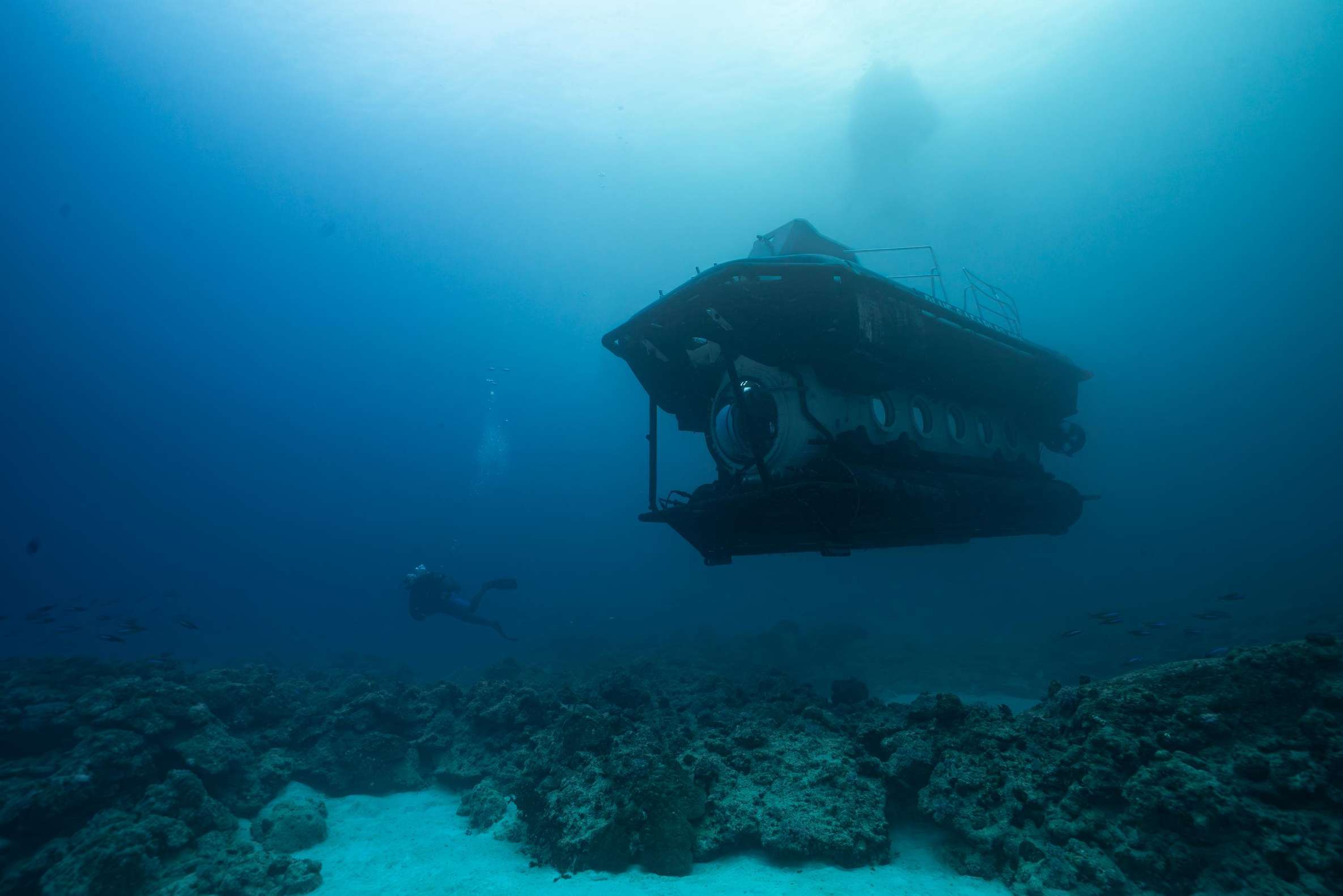
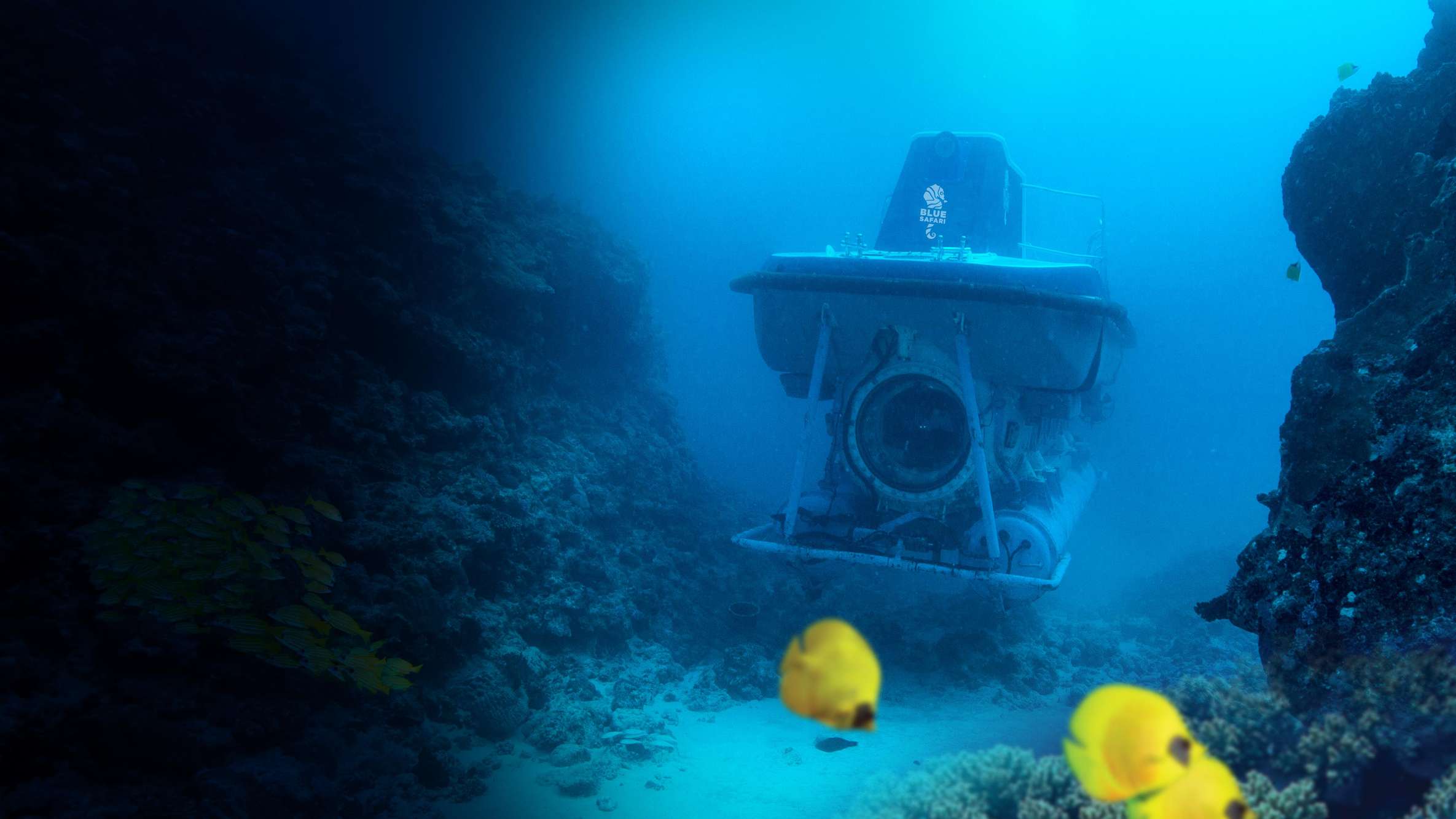
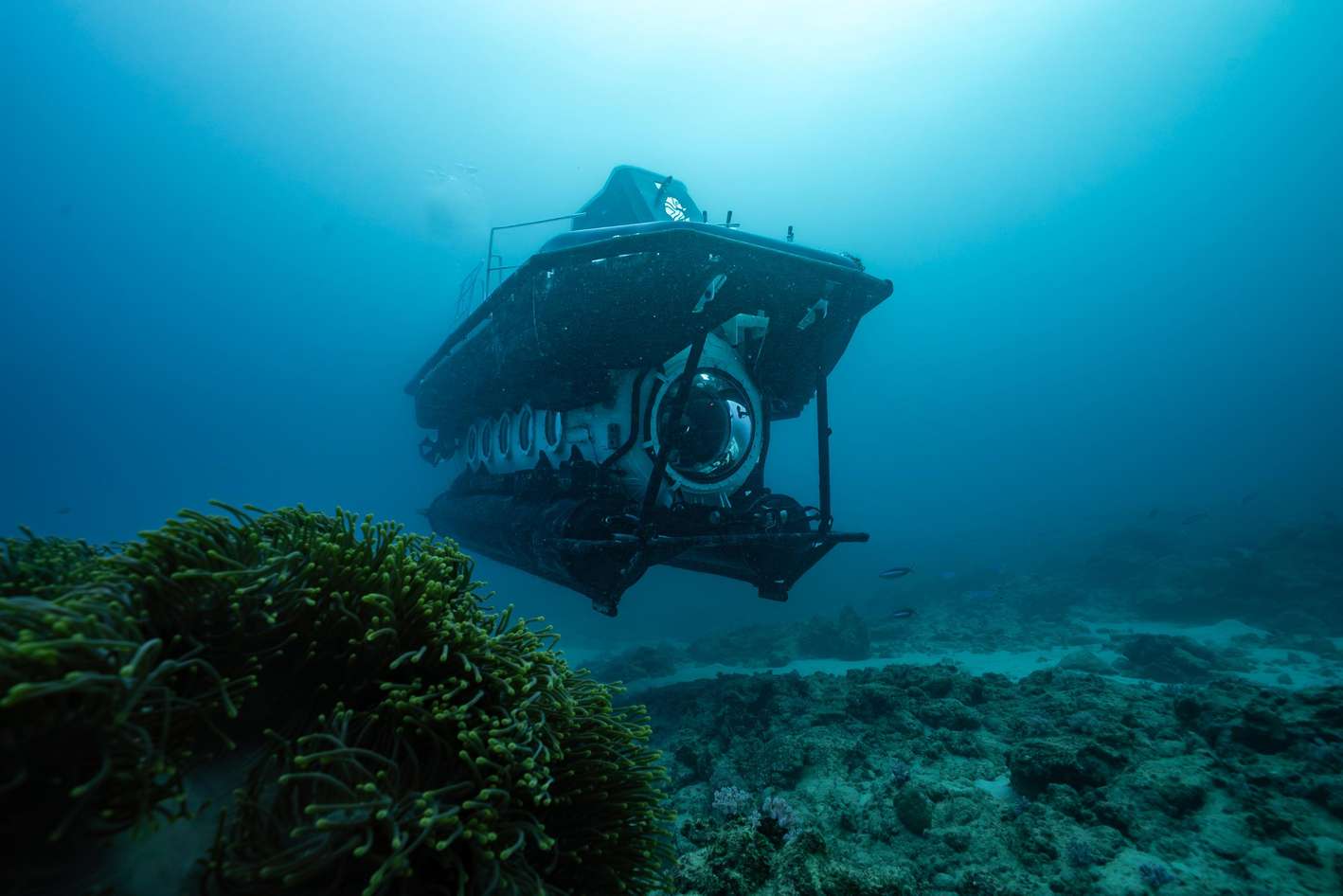
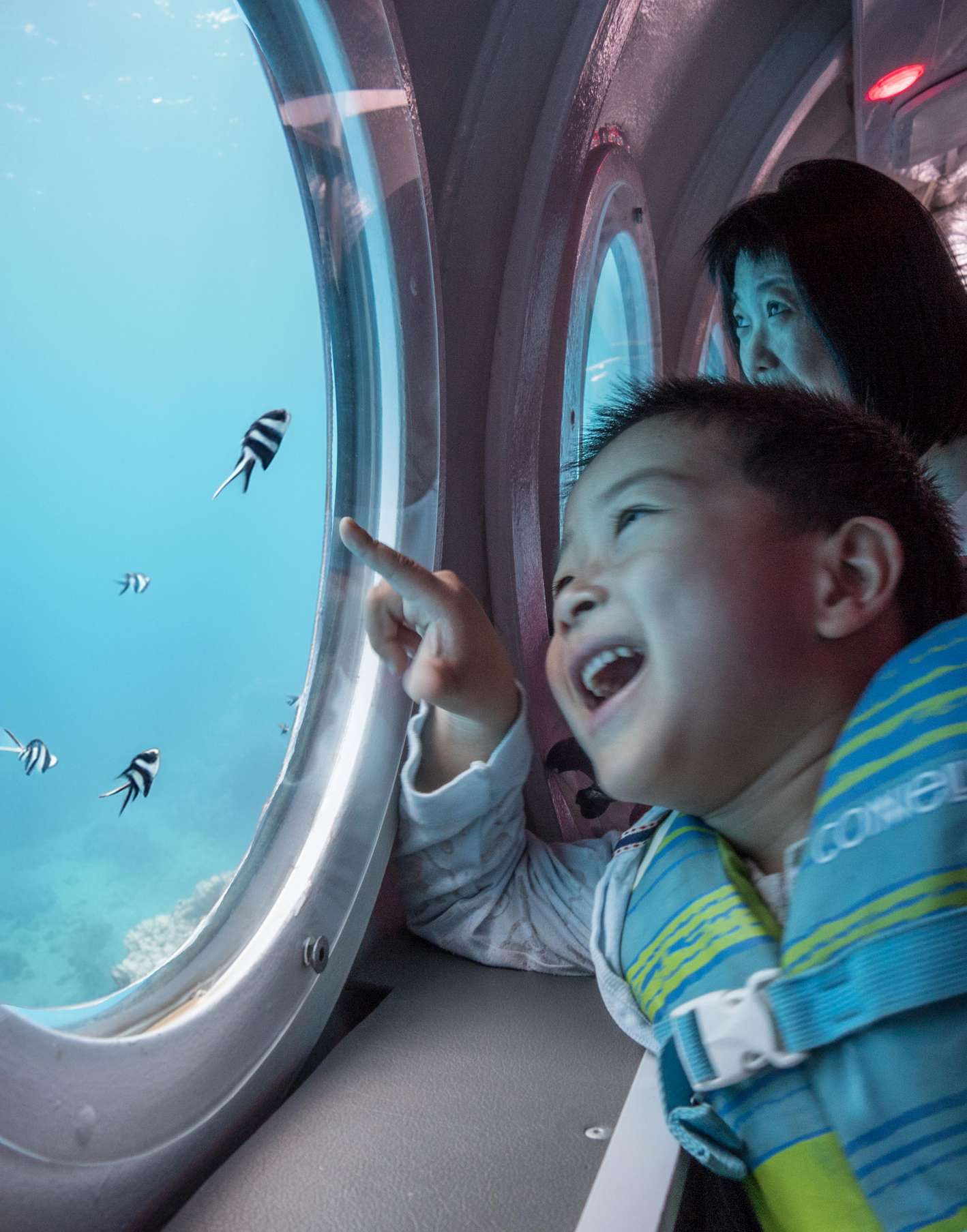
A two-hour tourist submarine dive, with forty minutes submerged at 35 meters, costs a few times that. The helicopter flights over the underwater waterfall, fifteen or twenty-five minutes in the air, cost more again, several times the catamaran seat.
Three signature excursions side by side
| Submarine dive | Catamaran day cruise | Helicopter flight | |
|---|---|---|---|
| Time | 2 hours, 40 minutes underwater | 6 to 7 hours with lunch | 15 to 25 minutes in the air |
| Who it suits | non-swimmers and anyone curious about the deep | families and groups wanting a full day | people chasing the underwater waterfall view |
| What children pay | reduced rates from age 3, toddlers under 3 less | adult price applies | own seat from age 2 on many routes |
- Time
- 2 hours, 40 minutes underwater
- Who it suits
- non-swimmers and anyone curious about the deep
- What children pay
- reduced rates from age 3, toddlers under 3 less
- Time
- 6 to 7 hours with lunch
- Who it suits
- families and groups wanting a full day
- What children pay
- adult price applies
- Time
- 15 to 25 minutes in the air
- Who it suits
- people chasing the underwater waterfall view
- What children pay
- own seat from age 2 on many routes
Rates shift with the reseller, the sales channel, the date and the season, which is why the same dive appears at different prices across booking sites.
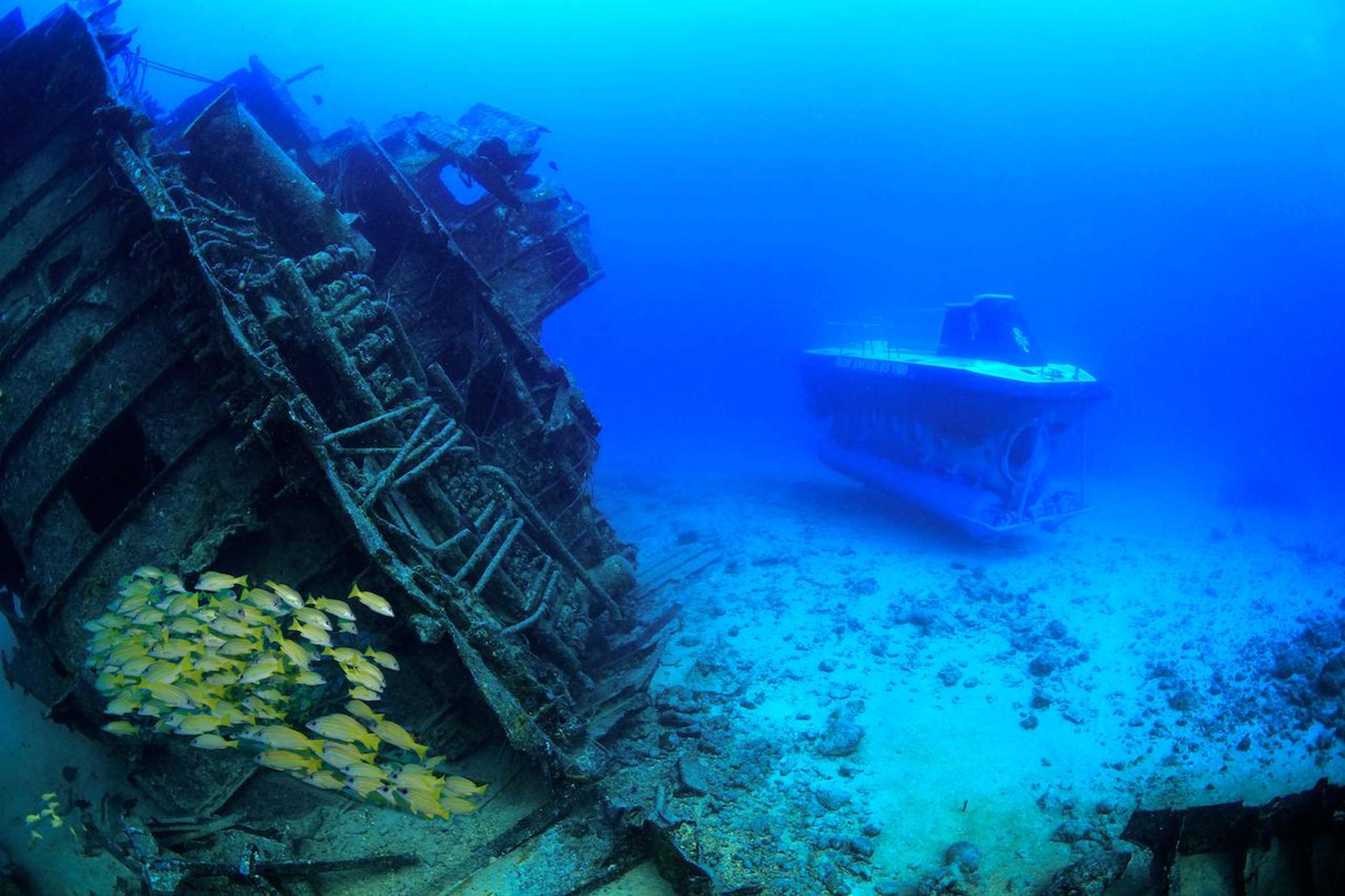
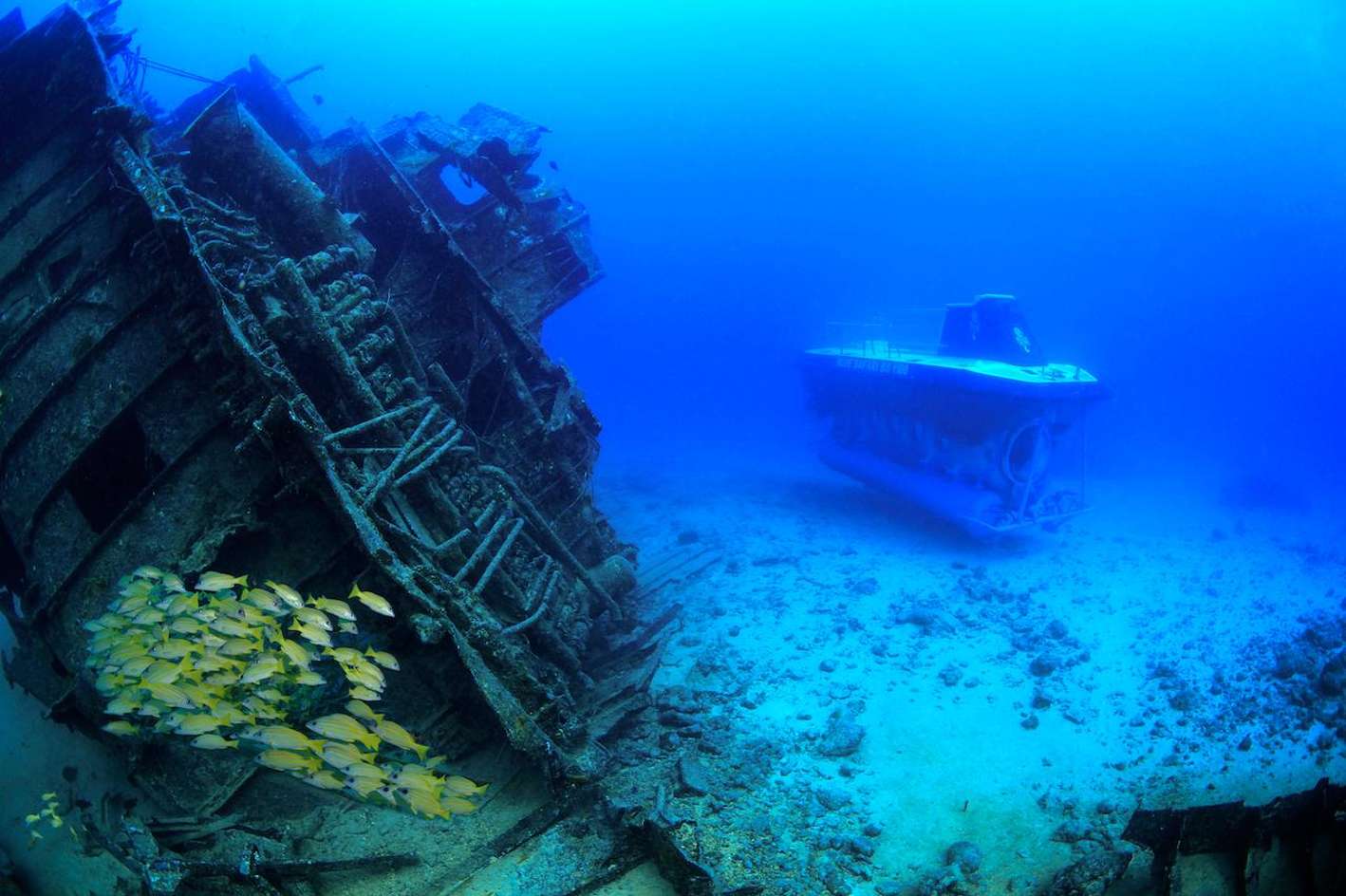
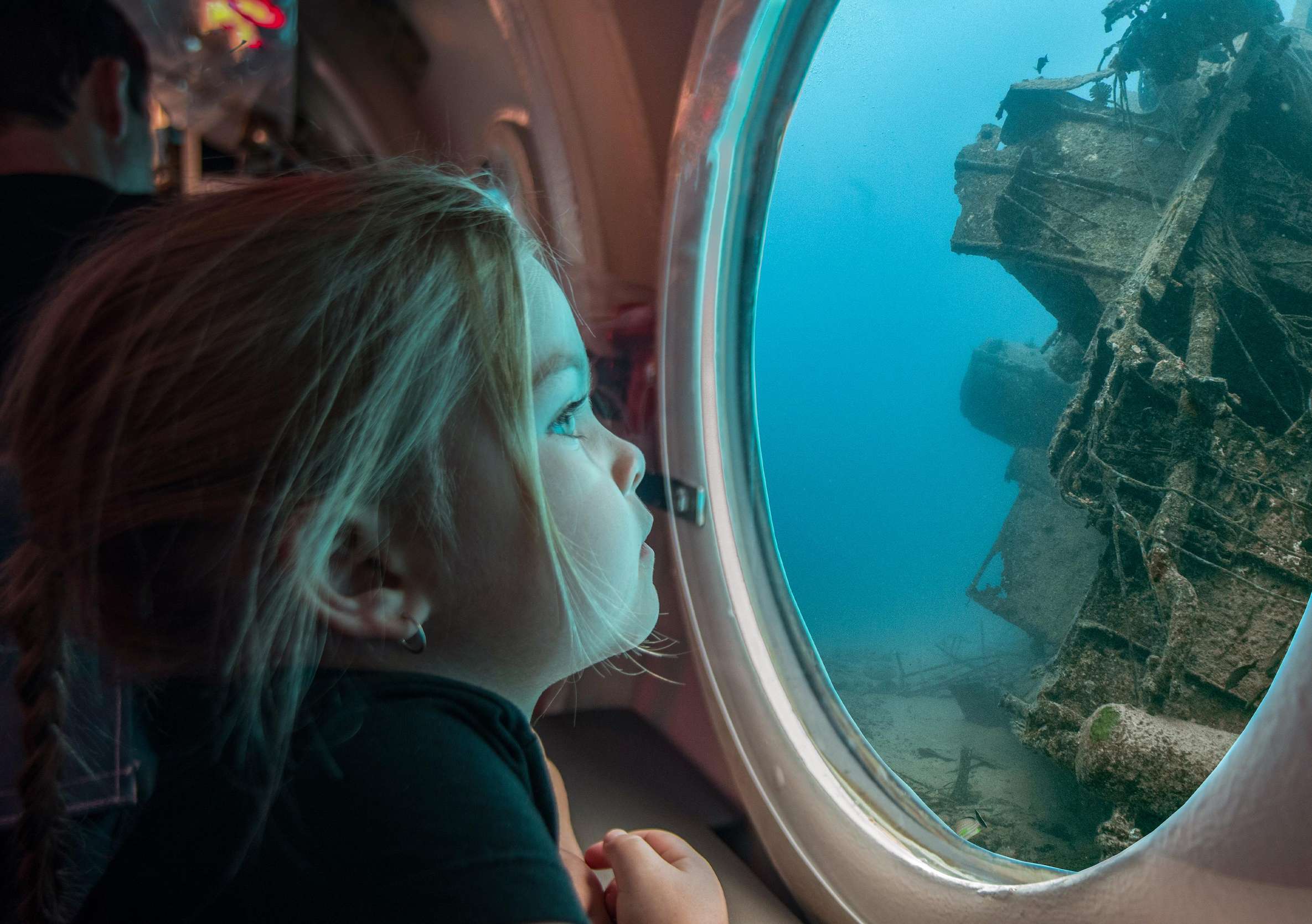
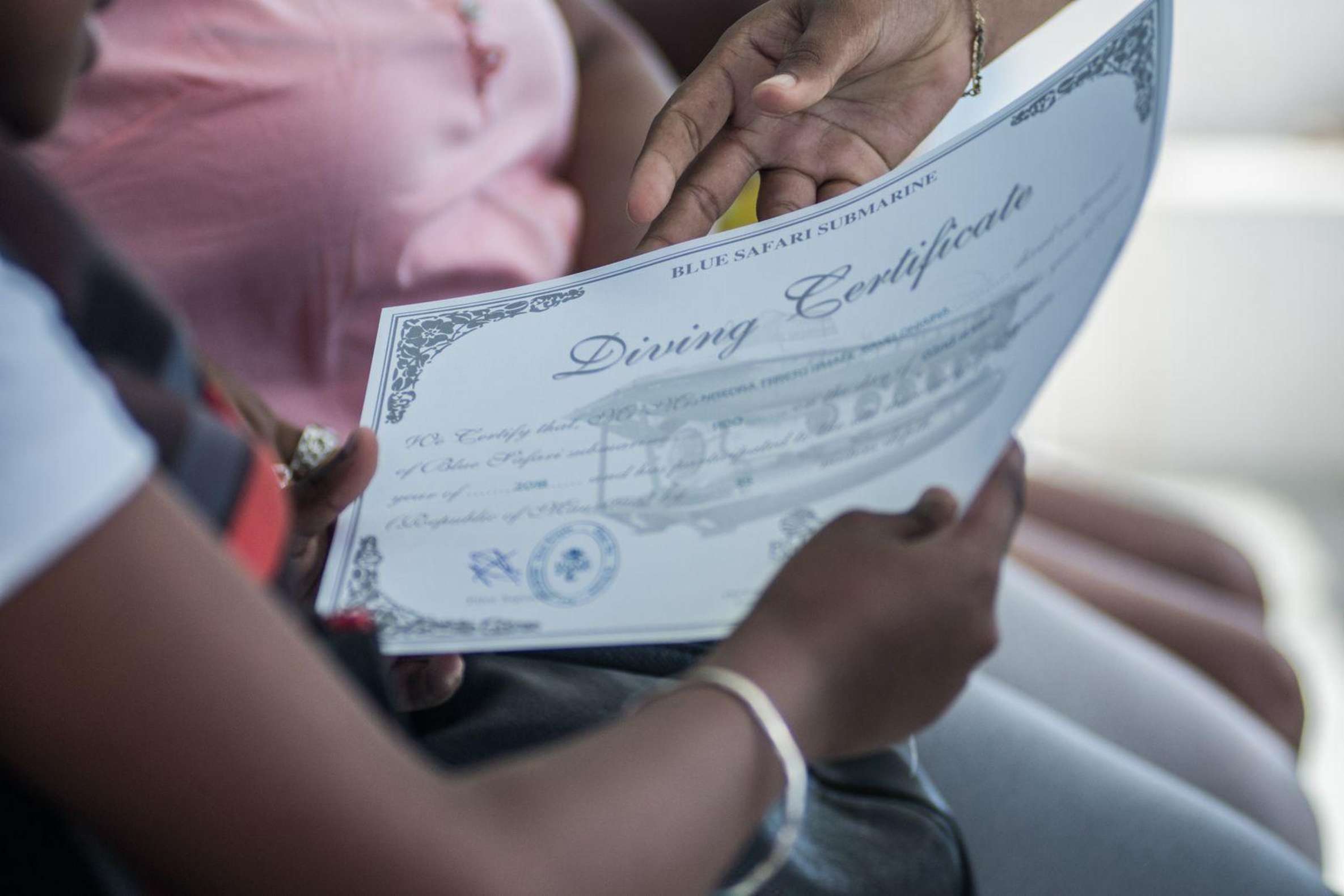
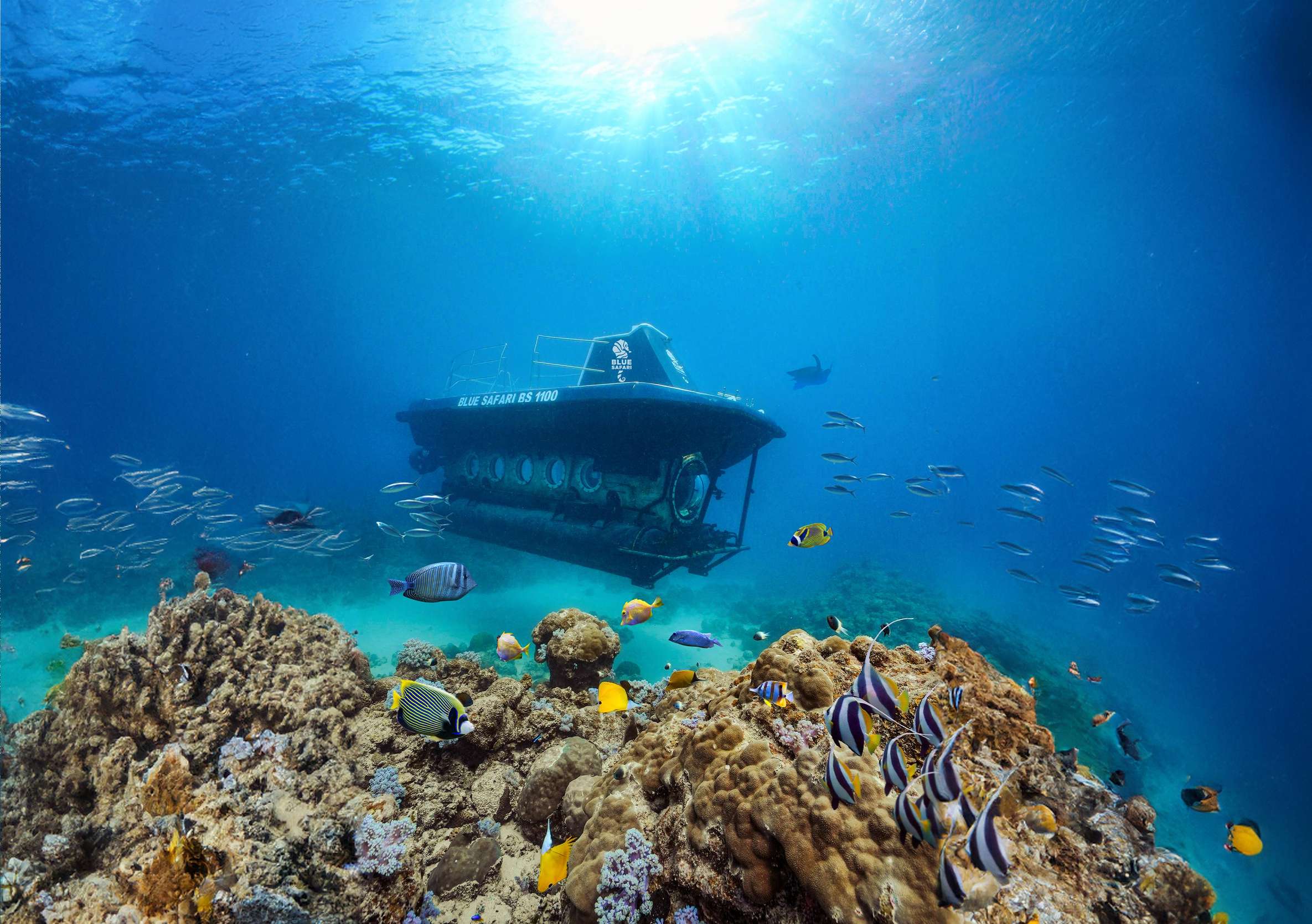
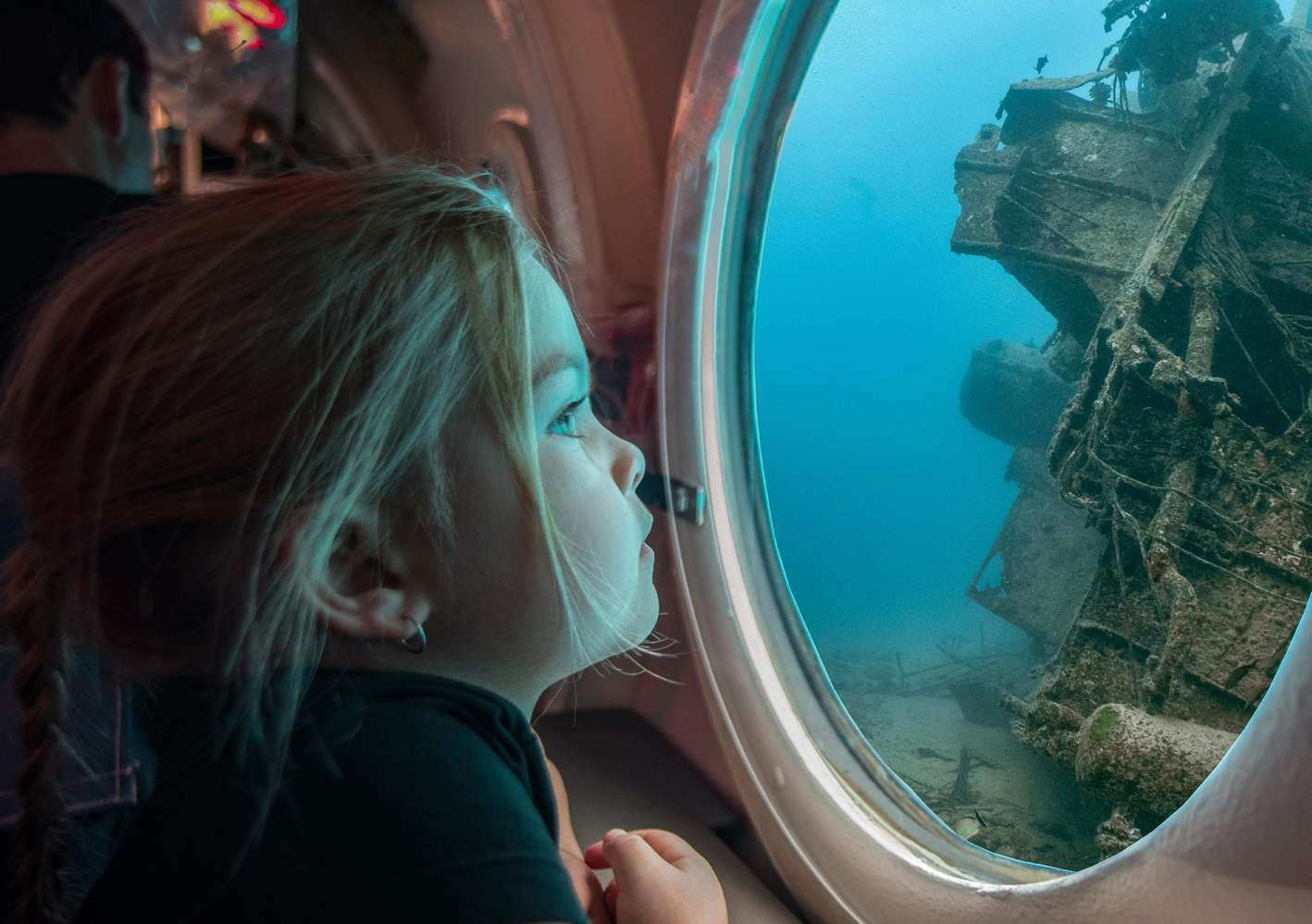
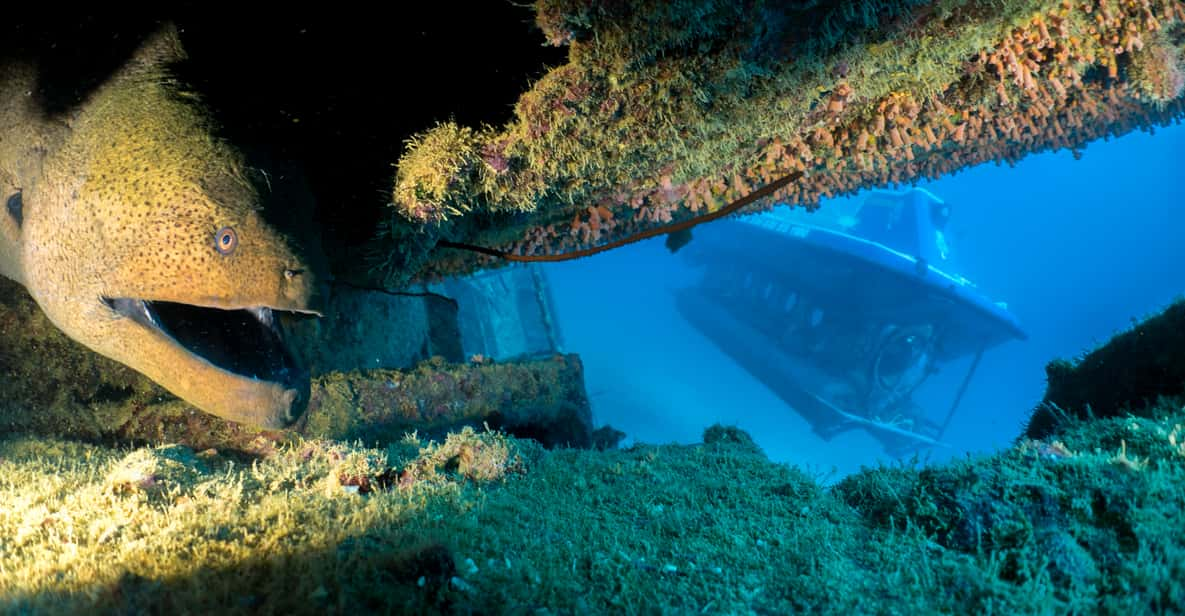
The Trou-aux-Biches submarine tour to the Star Hope Wreck is the concrete example of what the top rung buys: a real descent to the wreck with a certificate at the end.
Paying for excursions - cash, cards and tipping
Book online and cards work everywhere; the major platforms take bank cards without fuss. Pay on the ground and cash takes over: activities settled directly with operators often expect Mauritian rupees, taxis run on cash, and certain national parks accept nothing else.
The euro trap catches careful spenders. Tour operators often accept euros, but paying a rupee price in euros means an informal exchange rate that favors the seller. Drawing rupees from an ATM or bringing some from home costs less over a week of small payments.
At the big attractions the picture varies. Chamarel 7 Coloured Earth takes cards except Diners Club, and Casela takes Visa, MasterCard, American Express and Union Pay. Tipping is appreciated but never mandatory.
On a shared excursion, one tip for the crew at the end of the day is the custom, given in rupees and in cash. Taxi fares get rounded up for longer drives, and guides and drivers earn theirs when the service earns it.
Is Mauritius safe for tourists?
The honest picture is reassuring. Violent crime is uncommon, and travel in Mauritius is generally safe with normal precautions.
What exists is opportunistic petty theft, concentrated in Port Louis, Grand Baie and Flic en Flac: pickpocketing, bag snatching, the odd burglary at a tourist villa. Keep bags attended and valuables out of sight and you have handled most of the risk.
Roads deserve more respect than the crime headlines. Many are narrow and uneven, lined by deep ditches without guardrails, local drivers can be reckless, and roadside assistance is limited.
Traffic around Port Louis at rush hour stretches every drive, and most taxis carry no meters, so agree the fare first. Women traveling alone face a higher chance of verbal harassment, worth knowing as you plan.
Solo travelers should simply know the pattern and carry the same habits they would in any city. The island's real hazards are the sea and the road, and both yield to attention.
What happens if the weather cancels your dive
Rain changes nothing. Strong easterly winds up to 70 or 80 km/h change nothing either, because the dive site off Trou-aux-Biches sits on the sheltered west coast. What does stop the boats is heavy swell from the south-southwest through north-northwest, the kind that prevents safe boarding or clouds the water completely.
When the sea cancels a submarine dive
| If this happens | What happens then |
|---|---|
| Heavy swell prevents boarding | the dive is rescheduled for another day, or you receive a full refund before departure |
| Cyclone Warning Class II in force | coastal marine excursions are automatically postponed |
| Cyclone Warning Class III in force | all maritime activities are suspended |
| Rain and strong easterly winds | the dive runs as planned; the west-coast site stays sheltered |
When the operator cancels, the choice is a new date or a full refund before departure, and the tours on this site add a further safety net: cancel up to 24 hours in advance for a full refund on your own terms.
That flexibility shapes the best booking advice anyone gives about this dive. Put it on your first day. A rough-sea morning then costs you a rebooking, and the forty dry minutes at 35 meters still happen before you fly home.
Paperwork is easy, timing is everything
Mauritius demands less of your passport than almost any tropical destination: no visa for American, British and Canadian travelers, a printed form, a ticket home.
The planning effort belongs elsewhere, on the calendar. Book the submarine dive for day one, pack water shoes, and carry rupees in cash for the day you spend off the booking apps.
Mauritius requirements sorted? See what else to plan
Also on this site
Requirements for visiting Mauritius - frequently asked questions
The entry rules, safety questions and cost worries travelers raise most, answered plainly.
 Trou-aux-Biches2026
Do US citizens need a visa for Mauritius?
No visa is needed in advance. Citizens of the United States can travel to Mauritius for vacation without applying for a tourist visa before landing.
What documents do I need to enter Mauritius?
Immigration asks for a valid passport, a return or onward air ticket, proof of an accommodation address, and a completed arrival card. Your passport must be valid for at least six months beyond your stay.
Do I need to fill out the Mauritius All in One form?
Yes. Complete the digital form online before you travel, then print a paper copy. Border officials ask for a hard copy when you arrive.
Which medications are restricted in Mauritius?
Controlled medicines such as opiates and benzodiazepines need advance authorization from the Health Ministry. Routine prescriptions, like HRT, travel without extra clearance. Bring any medication in its original packaging with a copy of the prescription.
What Mauritius rules catch visitors out?
Declare anything restricted at customs; walking through the Green Channel with undeclared goods can bring fines or seizure. Cigarette papers, e-cigarettes, and underwater fishing guns cannot be brought in, drug offenses carry heavy penalties, and smoking is banned in indoor public spaces.
Does Mauritius have earthquakes?
Very rarely. The island sits on stable oceanic crust far from tectonic boundaries, and earthquake hazard is rated very low, with under a 2% chance of damaging shaking over 50 years.
Does Mauritius have natural disasters?
Cyclones are the main one, running from November to May, and they bring heavy rain, high winds, and severe swells. Floods, landslides in wet periods, and high ocean waves can also affect the island.
Are there dangerous animals in Mauritius?
On land, nothing to worry about. In the lagoons, stonefish, lionfish, scorpionfish, and long-spined sea urchins can sting, so wear water shoes, avoid touching any fish, and leave rocks and reef crevices alone.
Is Mauritius safe for tourists right now?
Violent crime is uncommon and travel is generally safe with normal precautions. Petty theft like pickpocketing and bag snatching happens more often in Port Louis, Grand Baie, and Flic en Flac.
What does a tourist submarine dive in Mauritius cost?
Rates vary by reseller, booking channel, date, and season, so the same dive can be priced differently across the tours on this site. Children aged 3 to 11 pay reduced rates, toddlers under 3 pay less, and some operators let infants under 3 ride free on a parent's lap.
When do marine excursions get cancelled for sea conditions?
Boat trips and dives are postponed automatically once a Cyclone Warning Class II is in force, and a Heavy Swell Warning of roughly 4-meter swells stops all departures. Below that threshold, each operator decides day to day. If rough seas cancel your dive, you get rescheduled or refunded.
Should I tip tour guides and drivers in Mauritius?
Tipping is appreciated and never mandatory. One tip for the crew at the end of a shared excursion is standard, and cash in Mauritian Rupees is easiest.
Your requirements met? Now dive the Star Hope Wreck
Book the Trou-aux-Biches submarine tour to the Star Hope Wreck: you stay dry at 35 meters and can cancel up to 24 hours ahead for a full refund.